
Societal Impact
Showcasing the Societal Impact of South African Universities

Since 2024 Universities South Africa (USAf) has been engaged in an initiative to highlight and celebrate the remarkable societal impact of South African universities. The primary goal of the USAf Impact Initiative is to illustrate the profound positive influence that South African universities have on addressing societal challenges. By sharing impactful case studies, we aim to inspire and inform the public, stakeholders, and the global community about the valuable contributions that universities make towards creating positive change.

Professor Chris Brink
Emeritus Vice-Chancellor,
Newcastle University
Each year USAf issues an Open Call to all 26 South African universities to submit for assessment some (a maximum of three) of their most compelling impact case studies which demonstrate their institution’s commitment to addressing and solving societal challenges. Each case study is intended to showcase a specific initiative, project or program that has had a notable positive impact on society. For consistency, a Guidance Note and a Submission Template is provided which show how an Impact Case Study should be presented. In particular:
- Each Case Study should present a narrative of impact already achieved. (‘Potential impact’ is out of scope.)
- The impact claimed must have arisen as a result of academic work conducted by the submitting university. The academic work behind the impact could be based on research and/or teaching and/or community engagement.
- Each Case Study must be backed up by verifiable evidence of societal change which has already occurred.
- Impact case studies must be about societal impact outside of academia. (Impact within academia is out of scope.)
- An activity is not, by itself, considered to be an impact. In particular, a description of a community engagement activity will not count as impact unless evidence is presented of the manner and extent of societal change which has already happened as a result of that activity.
All Impact Case Studies submitted by universities are assessed by an Expert Panel against two fundamental criteria: ‘Reach’ (which is about how wide the impact has spread in society), and ‘Significance’ (which is about how important the difference is which the university has made in society). The panel selects case studies which can be regarded as best practice examples of how academic work conducted in South Africa has already made a significant positive contribution to South African society at large.
Please see the selected Societal Impact Case Studies 2024, 2025 and 2026 on the USAf website under the ‘Societal Impact’ tab.
After the first three rounds, the following universities have been successful in having some of their Impact Case Studies selected to appear on the USAf website (in alphabetical order by name):
Cape Peninsula University of Technology
2 Case Studies in 2025; 2 Case Studies in 2026.
Central University of Technology
3 Case Studies in 2025.
Durban University of Technology
1 Case Study in 2025.
Nelson Mandela University
1 Case Study in 2025; 1 Case Study in 2026.
North-West University
1 Case Study in 2024; 2 Case Studies in 2025.
Rhodes University
1 Case Study in 2025.
Stellenbosch University
3 Case Studies in 2024; 1 Case Study in 2025
Tshwane University of Technology
1 Case Study in 2024; 1 Case Study in 2025; 2 Case Studies in 2026
University of Cape Town
3 Case Studies in 2024
University of Johannesburg
2 Case Studies in 2024; 3 Case Studies in 2025
University of Kwazulu-Natal
1 Case Study in 2024; 1 Case Study in 2026
University of Limpopo
1 Case Study in 2026
University of Pretoria
1 Case Study in 2024; 2 Case Studies in 2025; 1 Case Study in 2026
University of the Free State
1 Case Study in 2024; 2 Case Studies in 2026
University of the Western Cape
2 Case Studies in 2024; 2 Case Studies in 2025; 2 Case Studies in 2026
University of the Witwatersrand
3 Case Studies in 2024; 2 Case Studies in 2025: 2 Case Studies in 2026
University of Venda
1 Case Study in 2024
Walter Sisulu University
2 Case Studies in 2025
Based on the titles and short descriptors listed under each disciplinary section, the published case studies cluster into recurring societal impact domains such as:
The 56 Impact Case Studies currently on the USAf website demonstrate measurable contributions by South African universities toward the achievement of the United Nations Sustainable Development Goals (SDGs) through publicly funded research and innovation. In summary:
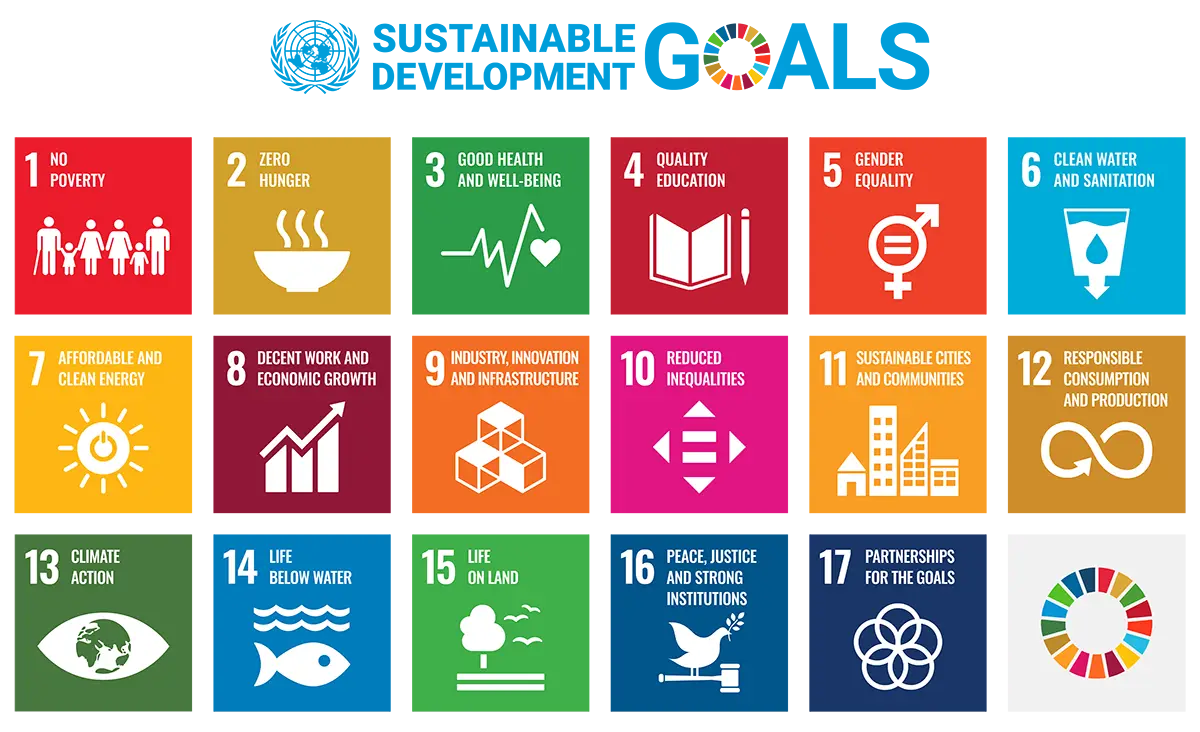
As can be seen, the published case studies reflect a strong concentration of impact in SDG 3 (Health), SDG 4 (Education) and SDG 9 (Innovation and Infrastructure). This positions the higher education sector as a key contributor to South Africa’s:
- National Development Plan 2030 priorities
- Science, Technology and Innovation Decadal Plan
- Just Transition objectives
- Thematic clustering of case studies for policy engagement
- Executive advocacy briefs aligned to national priorities
- Targeted engagement with relevant government departments.