Chancellor’s Leadership Dialogue Strengthens Public Trust Agenda and Reinforces Universities Role in Shaping South Africa’s Future
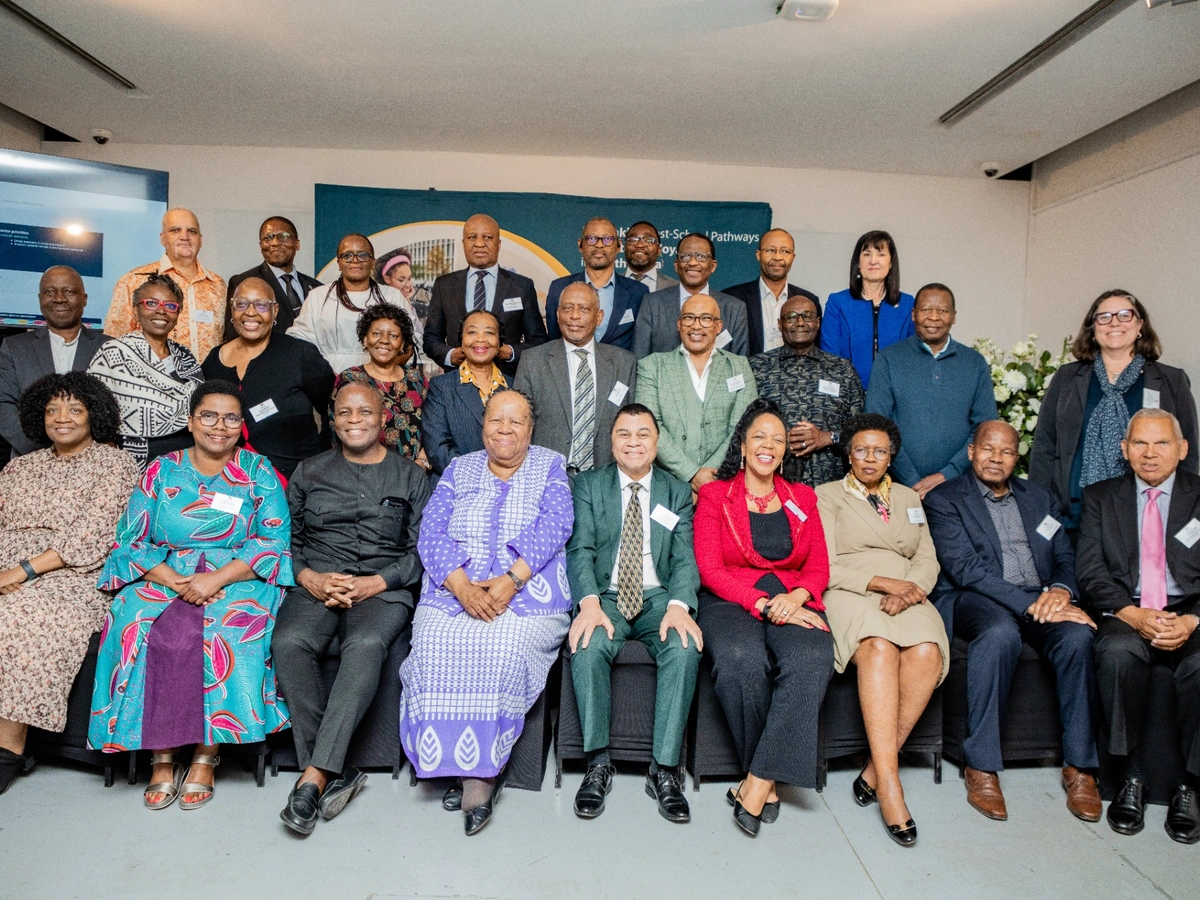
Universities South Africa’s Chancellor’s Leadership Dialogue brought together some of the country’s foremost higher education leaders to reimagine the relationship between universities and society, generating a powerful call for ethical leadership, institutional integrity, inclusion and renewed public trust in higher education.
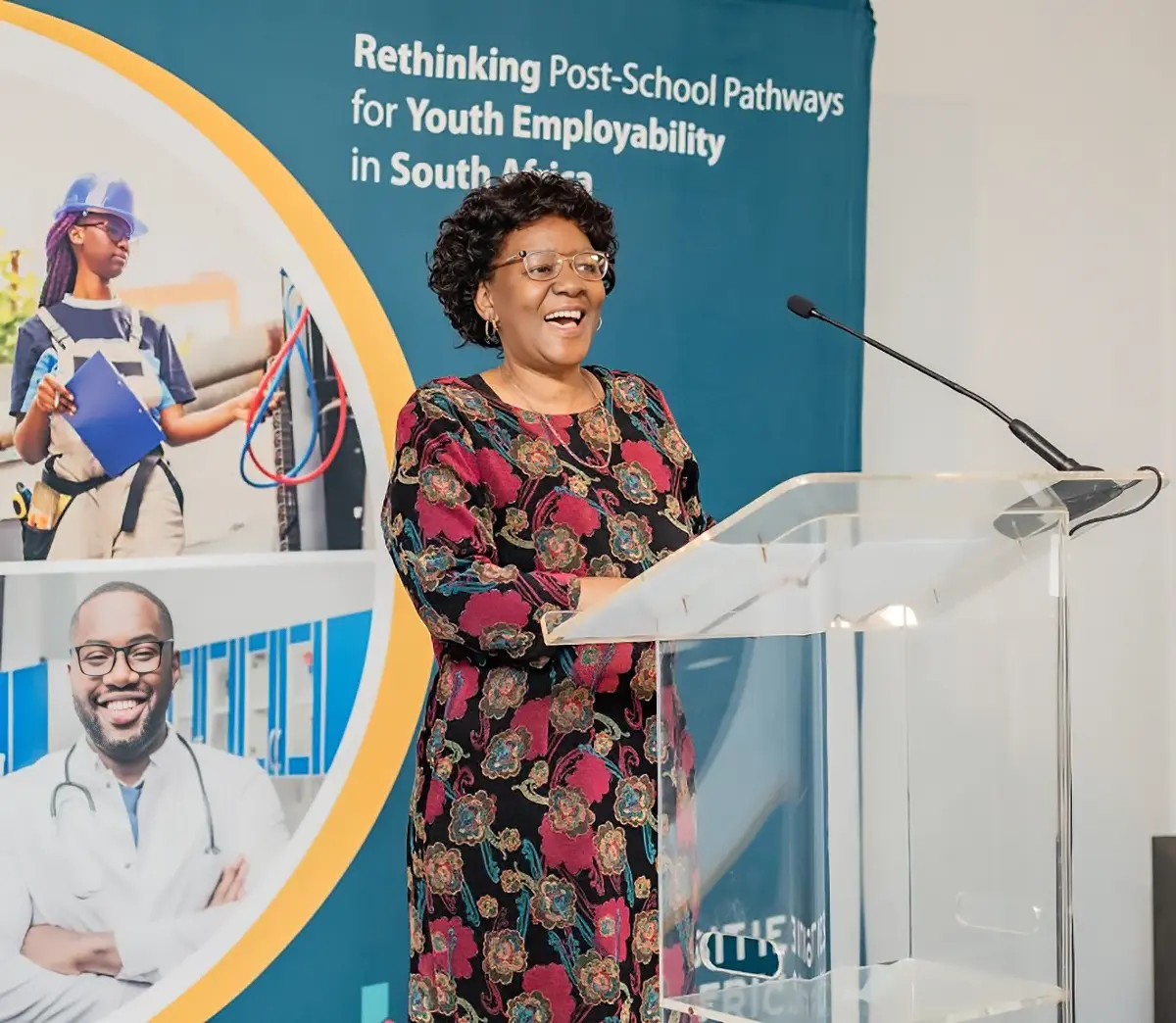
Professor Thoko Mayekiso
On 11 September 2026, higher education leaders, university chancellors, vice-chancellors, policymakers and thought leaders gathered at the Chancellor’s Leadership Dialogue hosted by Universities South Africa (USAf) at the Origins Centre, University of the Witwatersrand. More than a platform for reflection, the Dialogue emerged as a strategic intervention to strengthen leadership, rebuild public trust in universities and reaffirm the sector’s commitment to ethical governance, societal relevance and national development.
At a time when higher education institutions across the world face growing scrutiny, funding pressures, social inequality and the rapid spread of misinformation, the Dialogue created a space for courageous conversations about the future of South African universities. Through keynote presentations and leadership discussions, participants explored how universities can remain trusted public institutions while responding meaningfully to the challenges confronting society.
The significance of the initiative lies not only in the ideas exchanged but in its contribution to shaping a collective vision for the higher education sector. By convening some of the country’s most respected academic and societal leaders, USAf demonstrated its role as a convener of thought leadership and a catalyst for sector-wide dialogue on issues that matter to universities and the communities they serve.
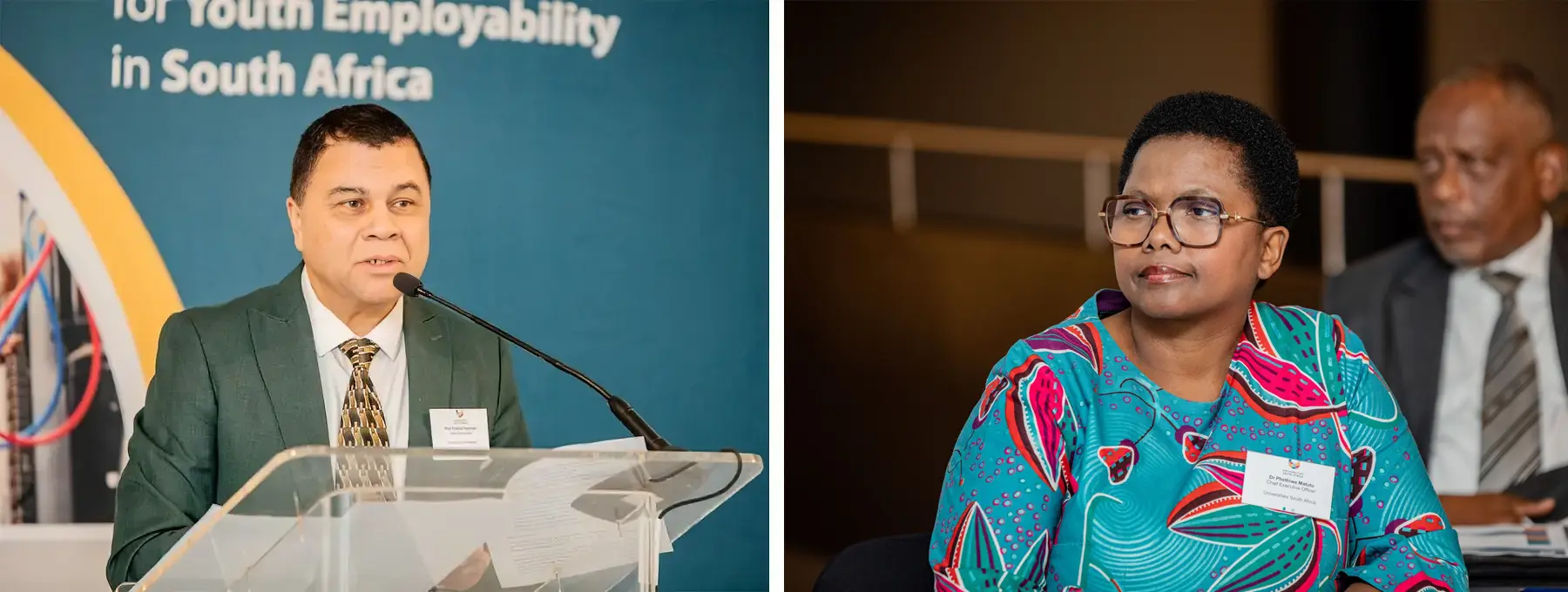
Professor Francis Petersen (left) and Dr Phethiwe Matutu (right)
The key highlight of the programme was the keynote address by Prof. Sibongile Muthwa, Vice-Chancellor of Nelson Mandela University, who challenged delegates to rethink the relationship between universities and society. Her presentation, titled Public Trust: The Role and Relevance of a University, underscored the notion that trust cannot be assumed, but must be continuously earned through ethical conduct, responsiveness and visible social impact.
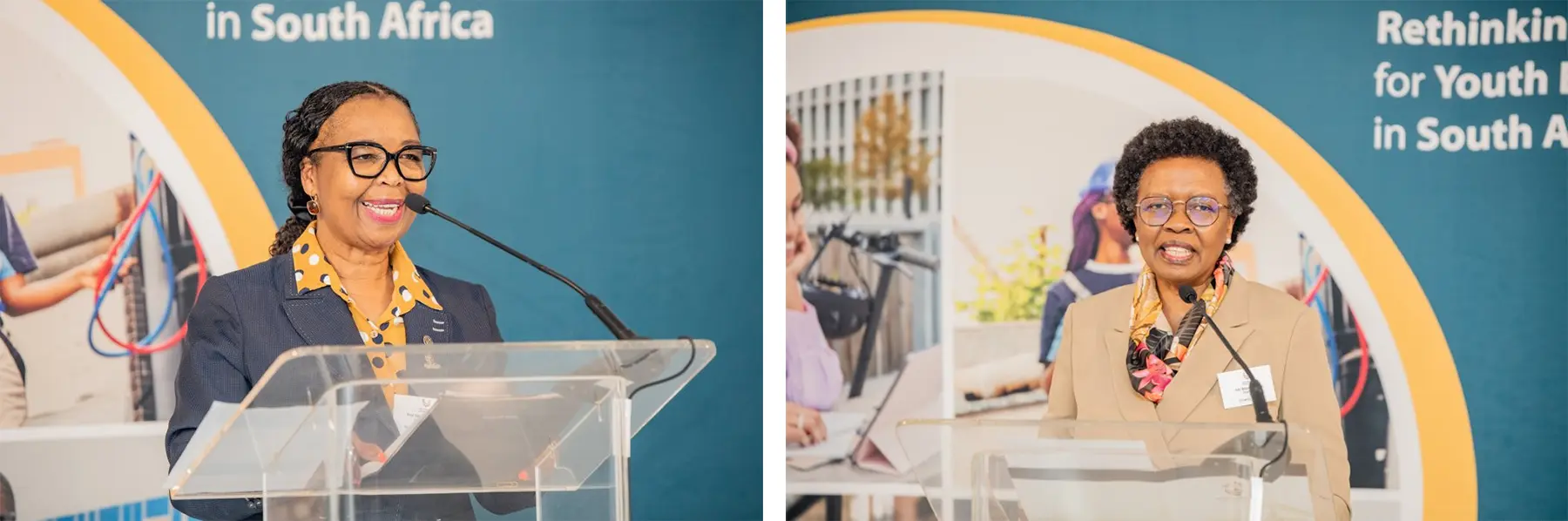
Professor Sibongile Muthwa (left); and Advocate Mojanku Gumbi (right)
Prof. Muthwa outlined that despite significant challenges, the sector continues to make meaningful contributions to knowledge production, innovation and social advancement. She reminded delegates that public confidence is built over time through institutional behaviour and societal contribution.
“Public trust is a social judgement formed over time. It rests on whether the university acts competently, ethically and responsively to societal need.”
Her call for a renewed social covenant between universities and communities resonated strongly throughout the Dialogue. She emphasised that institutions must move beyond traditional models of engagement and embrace partnership, co-creation and mutual accountability.
“Trust is relational, not transactional.”
This message reinforced a broader theme emerging from the event: universities must be seen not only as centres of academic excellence but also as active contributors to solving societal challenges, including unemployment, poverty, inequality and climate vulnerability.
Ethical Leadership and Institutional Integrity
The Dialogue further explored the critical role of ethical leadership in safeguarding institutional credibility and strengthening public confidence in higher education. Discussions highlighted the importance of values-driven leadership, transparency, accountability and principled decision-making as foundations for sustainable institutions.
Participants reflected on the growing expectation that university leaders must not only manage institutions effectively but also serve as ethical stewards who can navigate increasingly complex social, political, and economic environments. The emphasis on leadership integrity aligned closely with USAf’s broader objective of fostering resilient and trusted universities capable of advancing South Africa’s development agenda.
Another defining moment of the Dialogue was the roundtable discussion led by Archbishop Thabo Makgoba, Chancellor of the University of the Western Cape. His reflections elevated the conversation beyond governance structures to focus on the moral responsibilities entrusted to university chancellors.

Archbishop Makgoba (left) argued that chancellors occupy a unique position within higher education, serving as custodians of public trust and ambassadors for their institutions. He challenged leaders to see themselves not as ceremonial figures but as ethical anchors capable of influencing positive societal change.
“As chancellors, we are guardians of the public trust; we must portray the values we want to see in this economy of ours.”
He further reminded participants that universities do not exist in isolation from the realities experienced by surrounding communities.
“We cannot have the best laboratories and the best philosophy teachers while the community around us is drowning.”
His remarks reinforced the notion that universities have a responsibility to leverage their intellectual, social and institutional capital to support broader societal well-being.
The Impact of the Chancellor’s Leadership Dialogue
The enduring value of the Chancellor’s Leadership Dialogue lies in its ability to unite diverse leadership voices around common priorities for the sector. Collectively, the discussions advanced several key outcomes:
- A renewed commitment to strengthening public trust in universities.
- Greater emphasis on ethical leadership and institutional integrity.
- Recognition of universities as civic institutions with responsibilities beyond teaching and research.
- Reinforced understanding of the ambassadorial role of chancellors in advocating for higher education.
- Stronger alignment between academic excellence and social impact.
- A shared commitment to inclusion, accountability and meaningful community engagement.
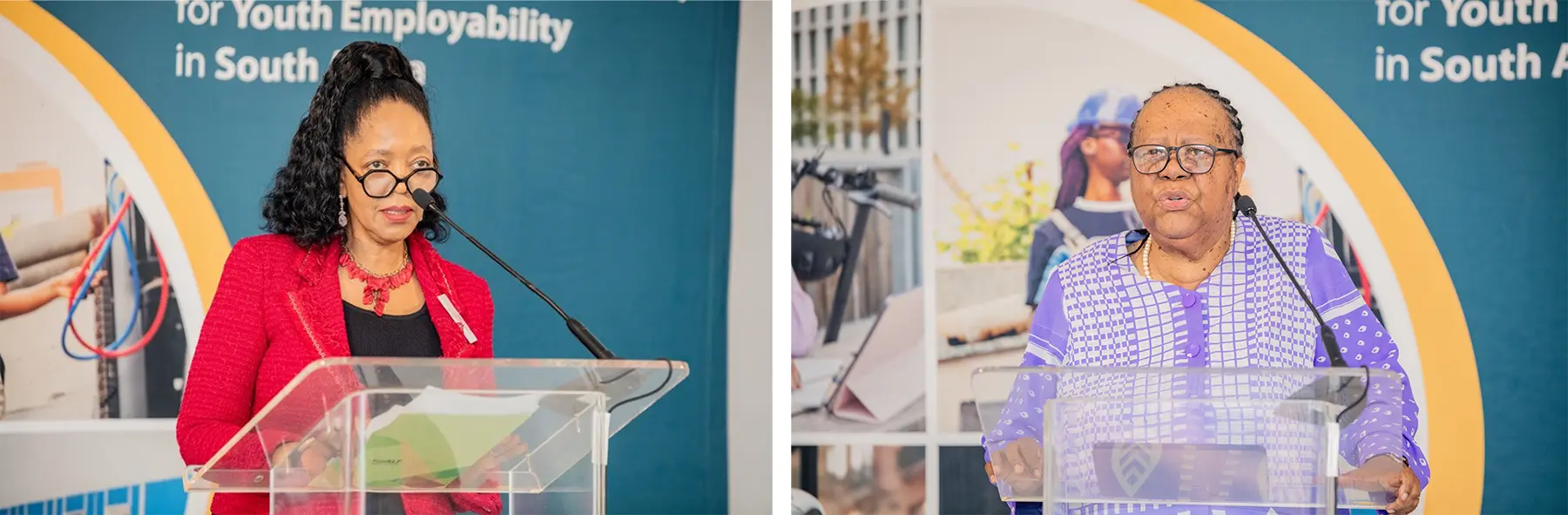
Dr Judy Dlamini (left); and Dr Naledi Pandor (right)
Importantly, the Dialogue demonstrated that South African higher education possesses both the leadership capacity and intellectual depth required to address contemporary challenges. It created a platform where ideas translated into commitments and where leadership was framed not merely as authority, but as stewardship in service of society.
A Continuing Legacy of Thought Leadership
Through the Chancellor’s Leadership Dialogue, Universities South Africa (USAf) has reinforced its role as the collective voice of the public university sector and a champion of conversations that shape the future of higher education. By bringing together influential leaders to reflect on trust, ethics, governance and societal relevance, USAf has contributed to a growing national discourse on the role of universities in strengthening democracy and advancing the public good.
The conversations initiated at the Origins Centre serve as a reminder that the future of universities will depend not only on their academic achievements but also on their ability to build trust, embody ethical leadership and remain deeply connected to the societies they serve. As the Dialogue concluded, a clear message emerged: leadership in higher education must be transformational, values-driven and anchored in a commitment to the public good. In creating this platform, USAf has not only facilitated dialogue but has helped shape a shared vision for a stronger, more trusted and more impactful higher education sector.
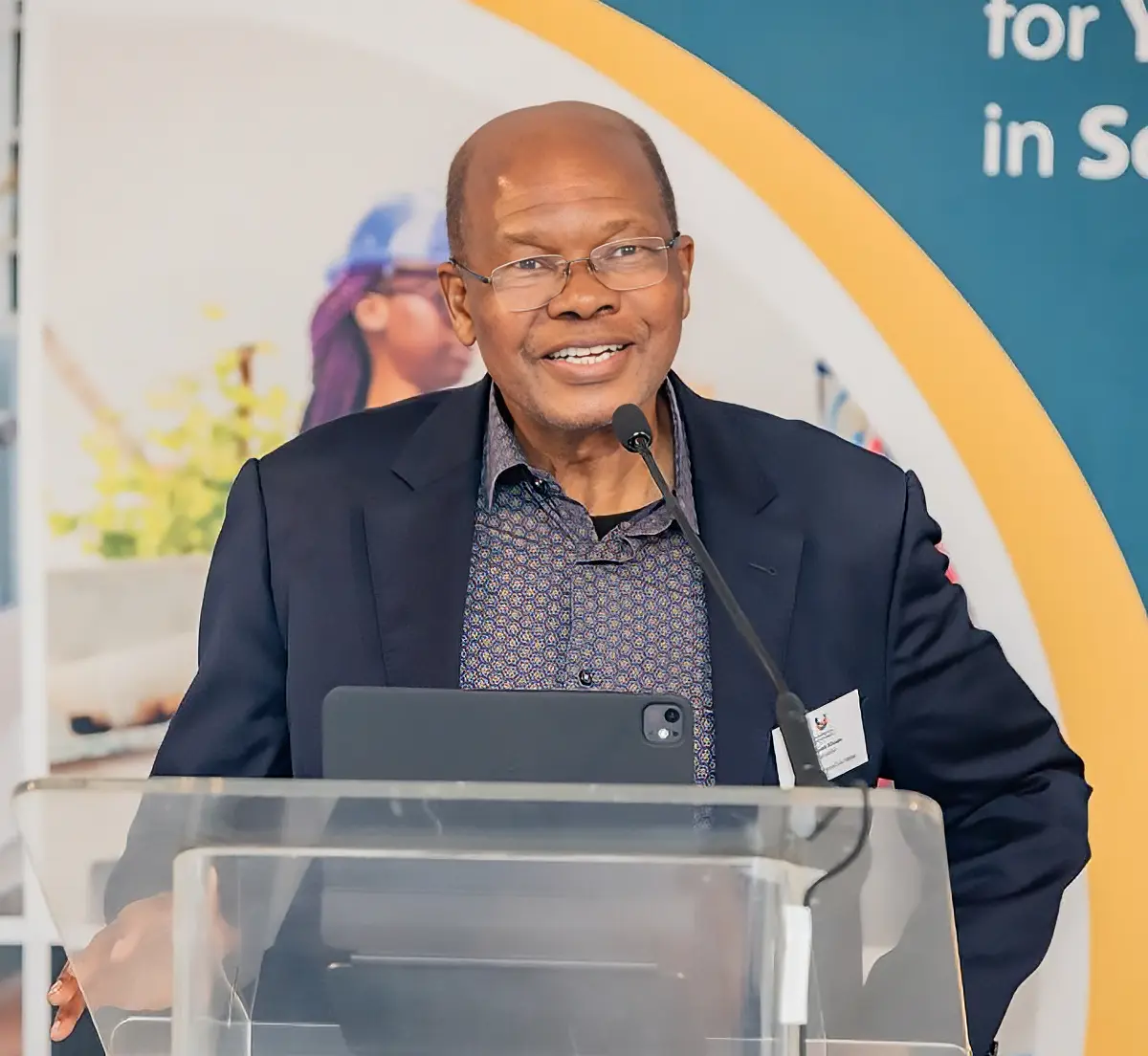
Dr Ruele Khoza
Ms Gcina Nhleko, (APR) is the Manager: Corporate Communications at Universities South Africa (USAf)